
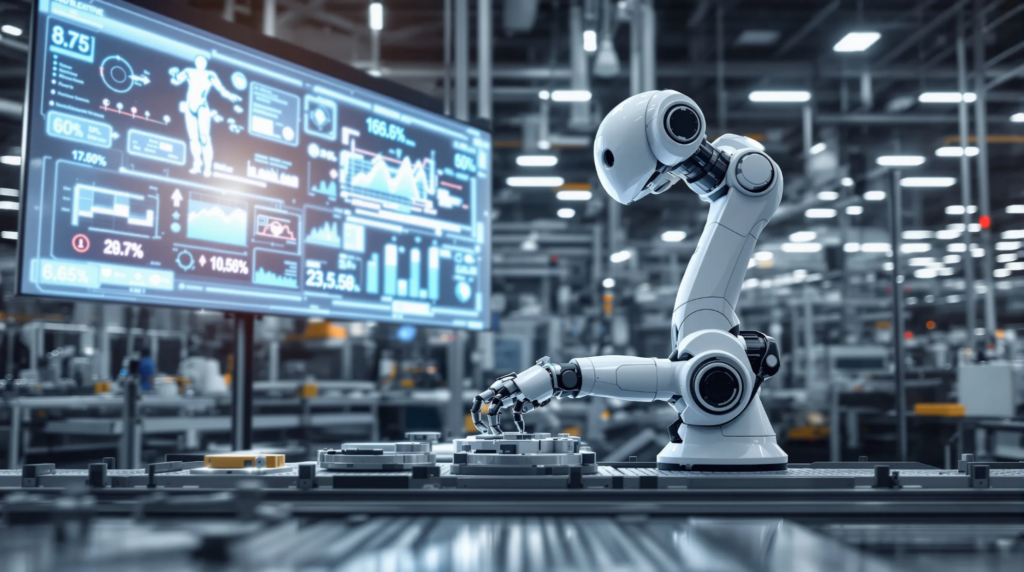
Imagine a world where robots not only assist us but think and learn just like we do. Welcome to the incredible realm of gray matter robotics. This innovative technology merges artificial intelligence with advanced robotics, creating a new breed of machines that not only execute tasks but also adapt and improve over time. Intrigued? You should be. Let’s embark on this journey to uncover the secrets behind gray matter robotics and how it’s transforming industries. Buckle up: it’s going to be a fascinating ride.
Overview of Gray Matter Robotics
Gray matter robotics stands at the intersection of artificial intelligence and robotics, aiming to develop machines that can think, learn, and operate with a level of autonomy akin to the human brain. The term ‘gray matter’ represents the human-like cognition we desire for robots, allowing them not just to follow instructions but to understand context, learn from experiences, and make decisions.
Understanding the potential within gray matter robotics means recognizing its foundation in algorithms derived from neural networks. These advanced systems mimic aspects of human cognition, enabling robots to recognize patterns and provide solutions based on data rather than hard-coded rules. This adaptability marks a significant leap forward from traditional robotics, which is often rigid and limited in functionality.
Applications in Various Industries
The versatility of gray matter robotics opens doors across several industries. In manufacturing, for instance, these intelligent robots enhance production lines through adaptive learning, adjusting their processes based on performance data to optimize output. We’re looking at fewer errors and greater efficiency, talk about a win-win.
In healthcare, gray matter robotics takes on an even more profound role. Imagine robotic assistants that not only help with routine tasks but can also assess patient needs in real-time. This application enhances care quality and allows healthcare professionals to focus on more critical decision-making tasks.
Even fields like agriculture are benefiting from gray matter robotics. Automated systems can learn to monitor crop health, adjust irrigation, and maximize yield while minimizing resources. This blend of intelligence and efficiency can revolutionize how we think about food production.
Technology Behind Gray Matter Robotics
At the core of gray matter robotics lies an intricate synergy of technologies. Machine learning plays a pivotal role, enabling robots to process vast amounts of data and identify trends that elude traditional programming. By harnessing deep learning models, robots can improve their understanding of tasks and make informed choices that enhance their performance.
Also, the integration of sensors and computer vision technology allows these robots to perceive their surroundings in real-time. Equipped with this sensory information, they can navigate complex environments and adapt to new challenges, just like we would. Their ability to learn from both successes and failures makes them remarkably resilient.
Finally, the cloud computing aspect cannot be overlooked. The cloud enables data sharing and processing that fosters collaborative learning between robots, leading to continuous improvement and innovation. As they share information, these robotic systems evolve collectively, enhancing the entire network.
Benefits of Gray Matter Robotics
The advantages offered by gray matter robotics are abundant. For starters, improved efficiency stands out as one of the most critical benefits. By automating tasks that require cognitive insights, businesses can save time and resources, allowing human workers to devote their energies to higher-level strategic endeavors.
Besides, safety in hazardous environments is a game changer. Robots equipped with robust decision-making capabilities can operate in conditions too dangerous for humans, reducing the risk of workplace injuries. This shift not only protects our workforce but also instills a sense of security across industries.
Also, the cost savings associated with increased efficiency and fewer errors can be significant. Companies can expect a solid return on investment when integrating gray matter robotics, enabling them to funnel those savings into further innovation and development.
Challenges and Future Directions
Even though the promising landscape, gray matter robotics faces several challenges. Ethical concerns around decision-making in autonomous systems raise questions about accountability and transparency. As we advance, we must ensure that ethical frameworks guide the development and deployment of these technologies.
Data privacy also looms as a pressing issue. With robots collecting and processing personal data, ensuring its security will be paramount. We need robust measures to safeguard against misuse, guaranteeing that advancements enhance lives rather than jeopardize them.
Looking ahead, the future of gray matter robotics is bright. As technologies continue to improve, we foresee a wider adoption across various domains. Collaborations between technology developers, industry leaders, and regulatory bodies will play a crucial role in defining a landscape that is both innovative and responsible.