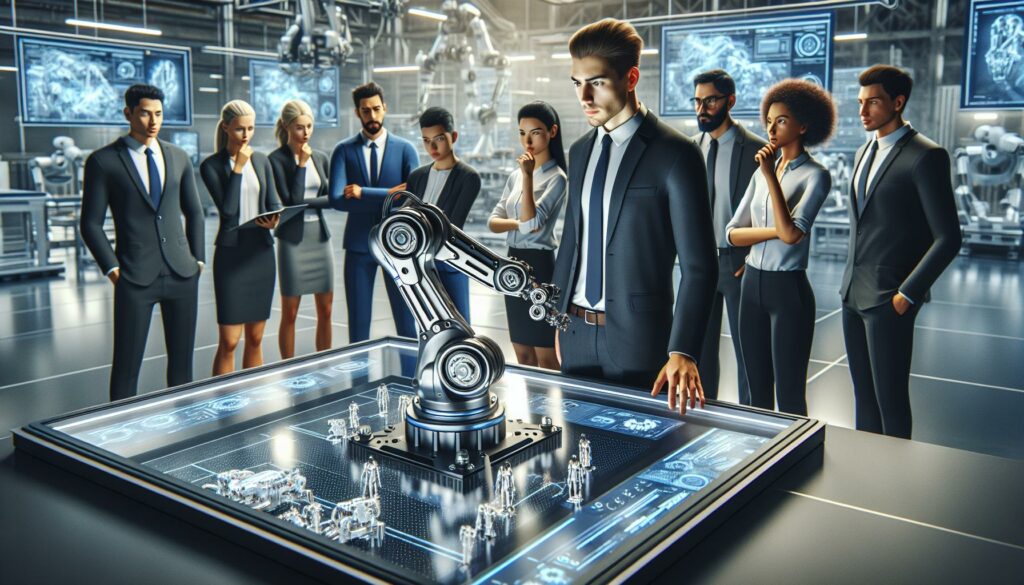

In a world where robots are no longer confined to science fiction, the realm of robotics and autonomous systems stands out like a glittering beacon of technology. Have you ever paused to think about how these mechanical marvels are quietly reshaping our lives? From delivering our packages faster than you can say “robot delivery” to exploring far-off planets, the potential is boundless. Join us as we embark on an enlightening journey to unravel the wonders of robotics, without forgetting that they can’t yet take over the world (thankfully.). Let’s immerse.
Overview Of Robotics And Autonomous Systems
Robotics and autonomous systems encompass a thrilling collection of technologies that automate tasks across various sectors. Picture this: intricate machinery capable of performing complex tasks without human intervention. Isn’t that fascinating? At their core, these systems combine robotics, machines designed for specific tasks, with artificial intelligence to make decisions on the fly. We’re witnessing a profound shift from manual to automated processes, driving both efficiency and innovation across the board.
Key Components Of Robotics
To truly understand robotics, we must explore its essential components. First up is the sensor, which acts like the robot’s eyes and ears, interpreting data from the environment. Without sensors, robots would be about as useful as a chocolate teapot. Next, we have actuators, the muscles that allow robots to move and manipulate objects. And how could we forget about control systems? These are the brains behind the operation, processing the inputs from sensors to drive the actuators. Think of it as a well-coordinated dance, where every part plays a pivotal role in keeping the rhythm.
Applications In Various Industries
Robotics and autonomous systems have woven their way into numerous industries, proving that their capabilities are not just limited to factories. In healthcare, we see surgical robots assisting surgeons during intricate operations, minimizing risks and recovery time. Meanwhile, in agriculture, drones perform aerial surveys and monitor crop health, taking precision farming to a new level. And let’s not overlook the hospitality sector, where some hotels now employ robots for room service, who wouldn’t want a pizza delivered by a friendly robot? These applications showcase the versatility and necessity of robotics in our everyday lives.
Challenges And Ethical Considerations
Even though their many advantages, we cannot ignore the challenges that come with robotics and autonomous systems. Take ethical considerations, for instance. As these machines become more integral to our lives, questions arise about accountability. Who is responsible if a self-driving car gets into an accident? Addressing these dilemmas requires careful thought. Not to mention, there’s the concern about job displacement. As robots take over repetitive tasks, humans must adapt and acquire new skills to remain relevant in an evolving job market. Navigating these challenges will require collaboration between technologists, policymakers, and society as a whole.
Future Trends In Robotics And Autonomous Systems
As we gaze into the crystal ball of robotics, exciting trends are on the horizon. One major development is the integration of machine learning with robotics, allowing machines to learn from experience and improve over time. Imagine robots that become better at their tasks just by interacting with their environment. Also, advancements in soft robotics could yield flexible robots that can perform delicate tasks safely. And let’s not forget about ethical AI, where designing robots involves embedding moral considerations into their decision-making processes. The potential is limitless, and we can’t wait to see what’s next.